


Interior Painting That Transforms Your Home

From single rooms to full interior repaints, we deliver clean lines,
proper preparation, and beautiful results homeowners can trust.

The Benefits of Professional Interior Painting
Quality Workmanship
One of the primary advantages of hiring professionals for interior painting is the quality of workmanship. Experienced painters have the skills and tools necessary to ensure that the job is done right. They understand the nuances of different paint types, finishes, and application techniques, which can significantly affect the final look of your space.
Time Efficiency
Painting can be a time-consuming task, especially if you’re not familiar with the process. Professionals can complete the job much faster than an inexperienced DIYer. This means you can enjoy your newly painted space sooner rather than later.
Access to High-Quality Materials
Professional painters often have access to high-quality paints and materials that may not be available to the general public. This can lead to a more durable finish that stands up to wear and tear over time. Additionally, they can recommend the best products for your specific needs, whether you’re looking for eco-friendly options or specific finishes.
Expert Color Consultation
Choosing the right color can be daunting. Professional painters often provide color consultation services, helping you select shades that complement your home’s architecture and your personal style. They can also advise on color trends and how to create the desired mood in each room.
Tips for Selecting the Right Colors
Understand Color Psychology
Colors can evoke different emotions and feelings. For example:
Warm colors (reds, oranges, yellows) can create a cozy and inviting atmosphere.
Cool colors (blues, greens, purples) tend to have a calming effect.
Neutral colors (grays, whites, beiges) can provide a clean and sophisticated backdrop.
Understanding color psychology can help you choose shades that align with the mood you want to create in each room.
Consider Lighting
The lighting in your home can significantly impact how colors appear. Natural light can make colors look brighter and more vibrant, while artificial lighting can alter their appearance. It’s essential to test paint samples in different lighting conditions before making a final decision.
Sample Before Committing
Before committing to a color, it’s wise to test samples on your walls. Paint small sections of the wall and observe how the colors look at different times of the day. This will give you a better idea of how the color will interact with your space.
Techniques to Elevate Your Interior Painting
Accent Walls
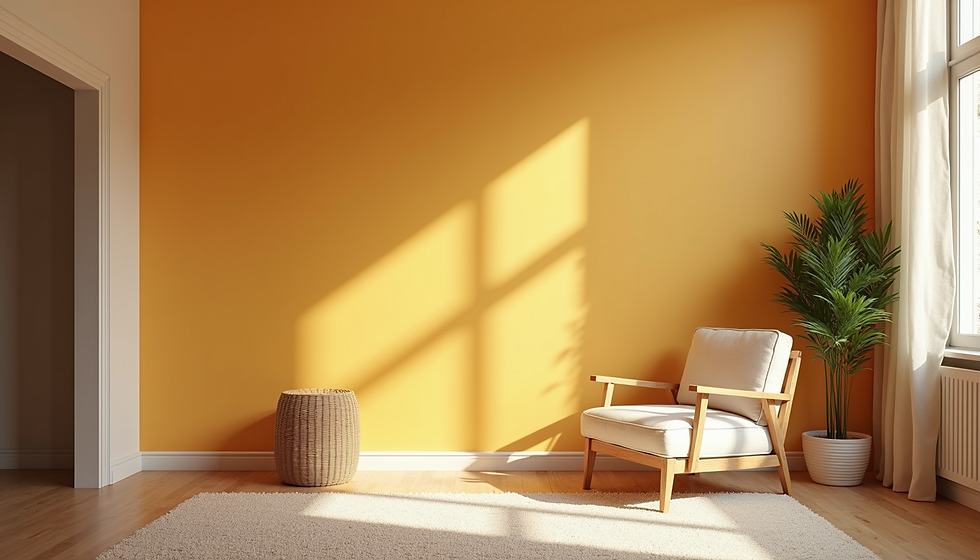
Creating an accent wall can add depth and interest to a room. Choose a bold color or a unique pattern to make a statement. Accent walls work well in living rooms, bedrooms, and even dining areas, drawing attention to a specific feature or area.
Textured Finishes
Textured finishes can add dimension to your walls. Techniques such as sponging, rag rolling, or using a comb can create unique patterns and textures that enhance the visual appeal of your space. These finishes can be particularly effective in creating a rustic or artistic vibe.
Two-Tone Painting
Two-tone painting involves using two complementary colors on the same wall. This technique can visually separate spaces and create a more dynamic look. For example, you might paint the lower half of a wall a darker shade and the upper half a lighter one, adding a sense of height and sophistication.
Stenciling and Murals
For a truly unique touch, consider stenciling or adding a mural to your walls. This can be a fun way to express your personality and style. Whether it’s a floral pattern in a bedroom or a geometric design in a home office, these artistic elements can make your space feel special.
Preparing for Your Interior Painting Project
Clear the Space
Before the painters arrive, it’s essential to clear the area of furniture and decor. This not only protects your belongings but also allows the painters to work more efficiently. If you can’t move larger items, consider covering them with drop cloths.
Repair Any Damage
Inspect your walls for any damage, such as cracks or holes. Repairing these issues before painting will ensure a smooth and flawless finish. Most professional painters will handle minor repairs, but it’s always good to discuss this beforehand.
Choose the Right Time
Timing can impact the success of your painting project. Consider scheduling the work during a time when you can be out of the house or when the weather is mild. This will help ensure that the paint dries properly and that you’re not inconvenienced by the process.
Maintaining Your Newly Painted Walls
Regular Cleaning
To keep your walls looking fresh, it’s important to clean them regularly. Use a soft cloth or sponge with mild soap and water to remove dirt and stains. Avoid harsh chemicals that could damage the paint.
Touch-Up Paint
Keep a small amount of leftover paint for touch-ups. Over time, walls can get scuffed or scratched, and having the original paint on hand makes it easy to maintain your home’s appearance.
Monitor for Wear
Pay attention to areas that may show wear more quickly, such as hallways or children’s rooms. Regularly inspecting these areas will help you catch any issues early and maintain the beauty of your painted walls.
Conclusion
Transforming your home with expert interior painting is a powerful way to enhance your living space. By understanding the benefits of professional painting, selecting the right colors, and employing creative techniques, you can create an environment that reflects your personal style and meets your needs.
Whether you choose to hire professionals or take on the project yourself, remember that preparation and maintenance are key to achieving lasting results. So, roll up your sleeves, get inspired, and start planning your next interior painting project today!

Comments